
Estimating Time and Distance
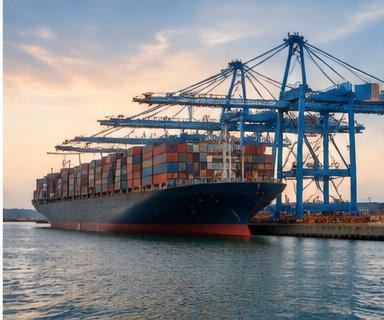
Logistics planning begins with a realistic estimate of the time required to transport materials based on distance and the type of routes used, taking into account the possibility of unexpected delays that could affect the project's overall schedule.
Choosing the Appropriate Transport Method
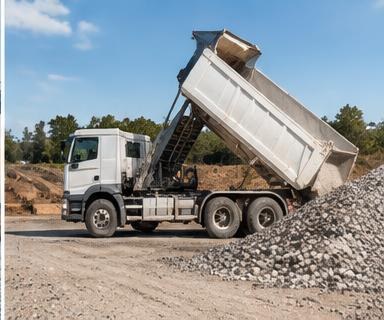
Appropriate transport methods vary depending on the nature of the industrial material being moved, including its size, weight, and sensitivity to environmental conditions. Compatibility between the transport method and material properties helps reduce the risk of damage or loss en route.
Coordinating Intermediate Storage Points
The transport chain may include intermediate storage points between the origin and final destination, requiring precise coordination to ensure materials are not exposed to unsuitable conditions during waiting periods at these points.
Managing Potential Risks
Good logistics planning includes identifying potential risks such as weather fluctuations, traffic congestion, or customs delays, and developing contingency plans so that the entire supply chain does not halt when a single obstacle occurs.
Practical checklist
- Estimate time and distance realistically
- Choose a transport method suited to the material
- Coordinate well around intermediate storage points
- Develop contingency plans to manage risks
 Logistics