
Nature of Industrial Trade
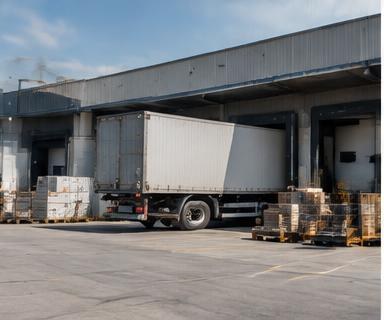
Industrial trade differs from consumer trade in that its parties are usually facilities or factories exchanging large quantities of materials or equipment intended for other production processes, rather than direct end use by individuals.
Interconnection of Production Chains
Many industries depend on inputs from other industries, making industrial trade a linking chain that connects sectors such as mining, manufacturing, and construction. Changes in one sector can reflect on the sectors connected to it.
Factors Influencing This Trade
The movement of industrial trade is influenced by factors such as raw material availability, transport and shipping costs, and regulatory requirements in each market. Together, these factors determine how easy or complex material exchange is between different parties.
Importance of Documentation and Standards
Industrial transactions typically rely on precise documentation of specifications, quantities, and conformity to standards agreed upon between parties. This documentation reduces potential disputes and facilitates tracking materials through different stages of the supply chain.
Practical checklist
- Understand the difference between industrial and consumer trade
- Note sector interconnection through industrial trade
- Review factors influencing its movement
- Emphasize the importance of precise documentation
 Trading
 Trading