
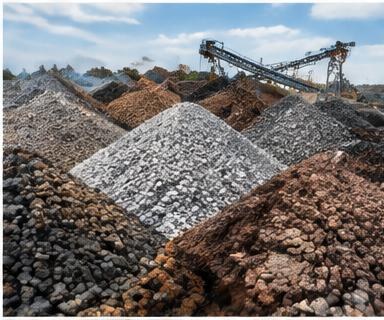
Natural Rock Aggregate
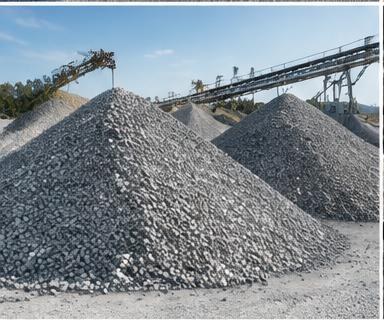
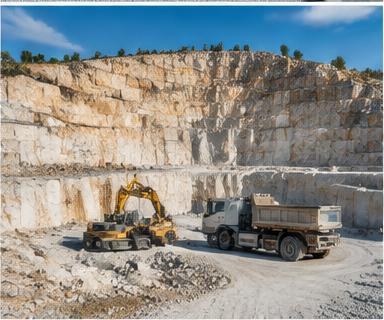
This type includes crushed rock such as gabbro and limestone, extracted and crushed to the required size for use. These types vary in hardness and density, making each more suited to certain applications than others, whether in road base layers or heavy structural concrete mixes.
Sand in Its Various Types
Sands represent the core fine aggregate category, used in concrete, mortar, and various finishing works. Sand properties vary by source in terms of particle fineness and impurity level, and this difference determines suitability for each application, from structural concrete requiring certain sand to finishing works that may need a finer type.
Secondary Industrial Aggregate Materials
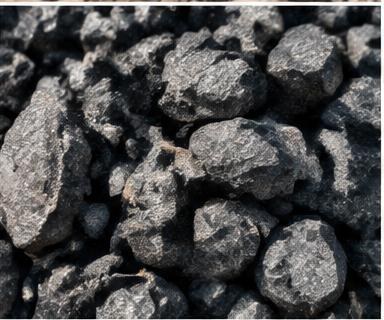
Alongside traditional rock aggregate, materials such as copper slag or red shale are used in certain industrial applications as alternatives or additives for specific uses within the construction and industrial sector. These materials often serve specialised purposes that differ from traditional aggregate use in general concrete or basic road layers.
Choosing the Right Type for the Application
No single aggregate type suits every application, so it is important to accurately define project requirements before selecting the appropriate aggregate type. Factors influencing this choice include the expected load type, environmental exposure conditions, and overall cost compared with alternatives available in the local market.
Practical checklist
- Distinguish between natural rock and industrial materials
- Choose sand type based on the required application
- Assess environmental exposure conditions before selecting
- Compare overall cost across available types
 Industrial materials
 Industrial materials
 Industrial materials