
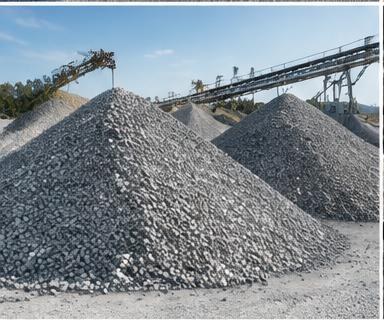
Aggregate's Role in the Concrete Mix
Aggregate acts as a supporting structure within the concrete mix while cement and water bind the particles together, and the aggregate-to-cement ratio affects both final strength and overall mix cost. Choosing aggregate of suitable size and shape helps reduce voids within the mix, improving density and overall structural durability after curing.
Difference Between Coarse and Fine Aggregate
Aggregate is typically divided into coarse types like gravel or crushed stone, and fine types like sand, each playing a different role within the mix. Coarse aggregate provides the core structural strength while fine aggregate fills voids between larger particles, and the right balance between the two is essential for a cohesive, easily pourable mix.
Importance of Clean, Impurity-Free Aggregate
The presence of clay, organic matter, or salts within aggregate can weaken the bond with cement and reduce final concrete strength. Checking aggregate for freedom from foreign materials is therefore an important step before use in construction projects, particularly those requiring specific strength specifications that cannot tolerate deviation.
Selecting Aggregate per Project Requirements
Aggregate needs differ between a simple residential project and a large infrastructure project requiring more precise specifications. It is useful to define the final use before ordering quantities, whether for structural concrete, backfilling, or road base layers, since each use imposes different size and gradation requirements.
Practical checklist
- Define coarse-to-fine aggregate ratio per use
- Verify aggregate is free of clay and organic matter
- Choose the gradation suited to the project type
- Match quantity and type to actual mix requirements
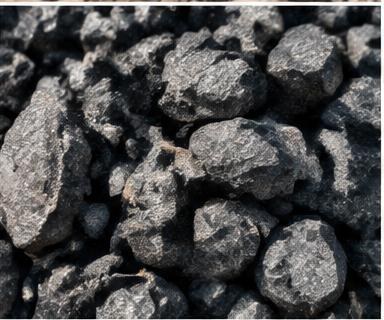 Industrial materials
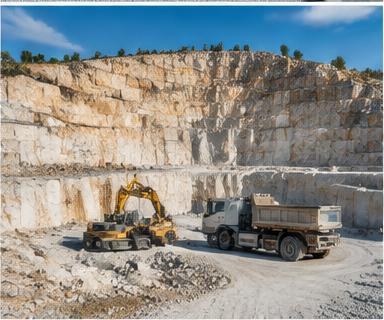 Industrial materials
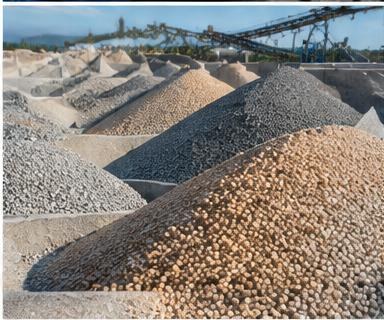 Industrial materials