
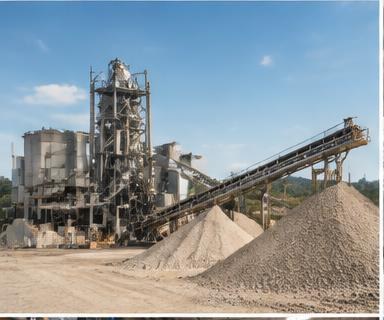
Limestone as the Core Component
Limestone forms the largest share of the raw material mix in cement production because it is the main source of calcium oxide. It is extracted from dedicated quarries, then crushed and proportioned within the blend before grinding and kiln heating to produce clinker.
Sources of Silica and Alumina
Alongside limestone, materials containing silica and alumina such as clay or shale are added to adjust the chemical composition of the mix. These components are necessary to form the mineral compounds that give cement its mechanical properties after setting.
The Role of Iron Oxide
Iron oxide is added in limited quantities to help lower the melting temperature required inside the kiln and facilitate formation of the liquid phase that binds the components together. This element also affects the final color of the resulting clinker.
Importance of Blend Homogeneity
Producing cement with consistent properties requires precise homogeneity among the different raw material ratios before grinding. Significant variation in proportions can affect the final product's characteristics, which is why raw materials undergo periodic testing within manufacturing processes.
Practical checklist
- Understand the chemical role of each raw material
- Recognize the importance of blend homogeneity
- Review sources of silica and alumina used
- Note iron oxide's effect on clinker properties
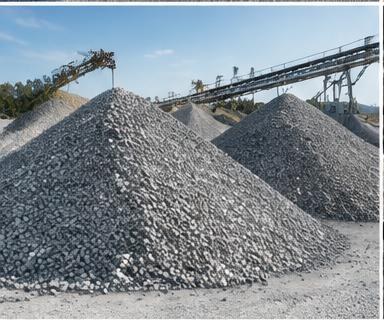 Industrial materials
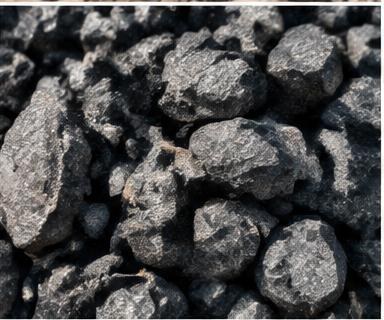 Industrial materials
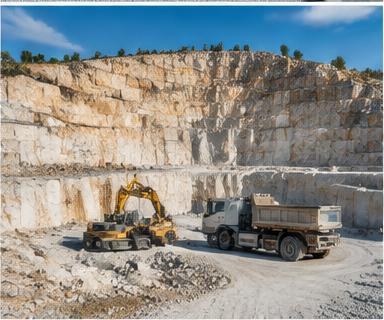 Industrial materials