
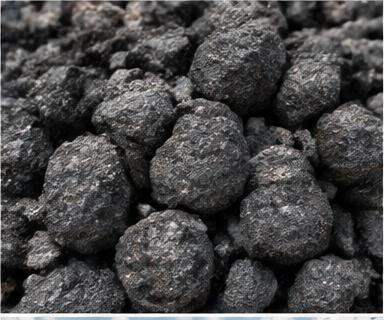
Nature and Composition of Clinker
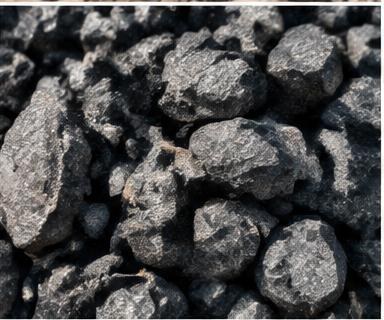
Clinker is the intermediate product of heating the raw material mix at high temperatures inside the kiln, appearing as small, solid, dark grey nodules. It contains the core mineral compounds that later translate into cement properties after grinding.
Factors Affecting Clinker Quality
Clinker quality is affected by several factors including the homogeneity of the raw materials used, kiln burning temperature and duration, and the cooling rate after it exits the kiln. Any imbalance in these factors reflects on the final cement properties.
Clinker Storage and Handling
Clinker is typically stored in dedicated silos protected from moisture prior to grinding, since moisture exposure can affect its later chemical reactions. Transporting it also requires methods suited to its solid, granular nature to minimize losses during handling.
Considerations in Procurement
When procuring clinker for grinding facilities, factors such as supply stability and the compatibility of different batches with production line needs are considered. Good coordination between extraction, transport, and storage stages reduces the chances of delay or quality variation.
Practical checklist
- Understand clinker's composition and intermediate role
- Review factors affecting its quality
- Ensure storage away from moisture exposure
- Coordinate transport and storage stages carefully
 Industrial materials
 Industrial materials
 Industrial materials