
Source Differences and Their Effect on Properties
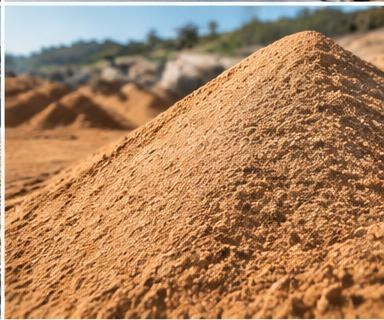
Sand comes from various sources, including natural sand extracted from old waterways or desert locations, each carrying different particle characteristics in shape and fineness. This source difference reflects on sand behaviour within a mix, as particle fineness and shape affect the amount of water and cement needed to achieve good consistency.
Sand Uses in Concrete
Sand acts as the fine aggregate in a concrete mix, filling voids between coarse aggregate particles and contributing to overall mix cohesion. The sand-to-coarse-aggregate ratio must be carefully balanced, as excess quantity can reduce concrete strength while too little can leave voids that weaken the structure after curing.
Sand Uses in Finishing Works
Beyond structural concrete, sand is also used in mortar, plastering, and certain floor layers, and these applications often require finer, more precise sand compared with that used in heavy structural concrete. Choosing the right sand type for each application improves final surface quality and reduces the likelihood of later cracking.
Evaluating Sand Quality Before Use
A high proportion of silt or salts in sand can weaken bonding with cement and negatively affect final mix durability. When purchasing large sand quantities for a project, it is important to confirm relative cleanliness and suitability for the intended use rather than relying solely on price or ease of availability as the only selection criterion.
Practical checklist
- Select sand type based on structural or finishing application
- Carefully balance sand-to-coarse-aggregate ratio
- Check silt and salt content before use
- Do not rely on price alone as a selection criterion
 Industrial materials
 Industrial materials
 Industrial materials