

Linking Supply to Execution Phases
Large projects pass through successive phases, each needing different material quantities and types, from initial excavation and backfill to structural pouring and final finishing works. Setting a supply plan tied to a clear timeline for each phase reduces the chance of unneeded materials piling up or others falling short exactly when needed.
Managing Demand Fluctuations During Execution
It is common for actual project needs to shift from the initial plan due to engineering adjustments or unforeseen field conditions. Having flexibility in the supply agreement to adjust quantities or expedite certain batches when needed helps absorb these fluctuations without significantly affecting the project's overall timeline.
Managing On-Site Storage
Available space for storing materials at a project site is often limited, especially in congested urban sites, requiring batch supply coordinated to actual storage capacity rather than receiving huge quantities all at once. This coordination also reduces the risk of certain sensitive materials degrading due to prolonged storage under less than ideal conditions.
Ongoing Communication Among Stakeholders
Supply plan success depends on ongoing communication between the project management team and the supplier, ensuring any change in timeline or quantities is reported as early as possible. This early communication gives the supplier enough time to adapt to changes and reduces the likelihood of surprises that negatively affect on-site work continuity.
Practical checklist
- Link the supply plan to actual execution phases
- Keep flexibility to adjust quantities when needed
- Coordinate batches with available on-site storage capacity
- Maintain early, ongoing communication with the supplier
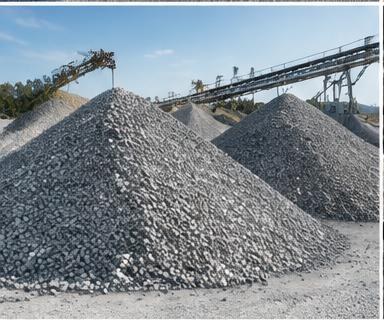 Industrial materials
 Industrial materials
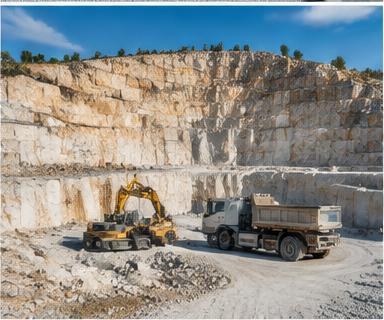 Industrial materials