

Link Between Material Quality and Structure Lifespan
Structures expected to operate for decades, such as roads, bridges, and large buildings, depend directly on the quality of raw materials used from the start. Any weakness in aggregate, sand, or core concrete components may not show its effect immediately, but accumulates over time, noticeably shortening the structure's expected lifespan compared to its original design.
Effect of Raw Materials on Maintenance Costs
Using lower-quality raw materials initially may appear cost-saving in the short term, but often translates into higher long-term maintenance costs due to faster structural deterioration. Projects that take this seriously from the planning stage reduce the likelihood of facing costly, unexpected repairs just a few years into operation.
Consistency of Quality Across Batches
Large projects consuming huge material quantities over an extended period need consistency in quality across every supply batch, not just good quality in the first one. Quality fluctuation between batches can create scattered weak points within a structure that are hard to detect after work completion, making consistency as important a factor as absolute quality.
Importance of Documentation and Follow-Up
Documenting the source and type of materials used at every project stage eases later review if any structural issue arises years into operation. This documentation also helps future maintenance teams understand the nature of originally used materials, making it easier for them to choose similar materials for any later repair or expansion.
Practical checklist
- Prioritise raw material quality from the planning stage
- Compare upfront material cost with future maintenance cost
- Ensure quality consistency across different supply batches
- Document the source and type of materials used at each stage
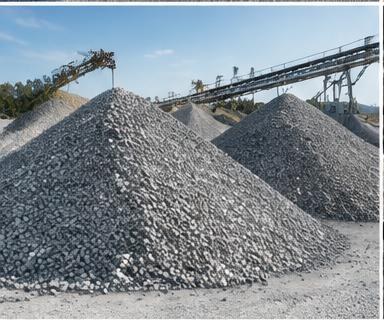 Industrial materials
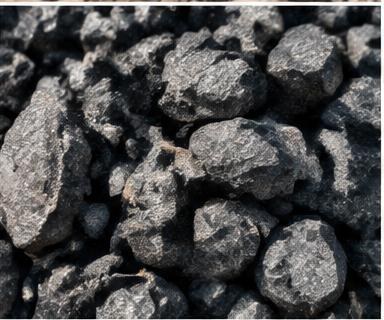 Industrial materials
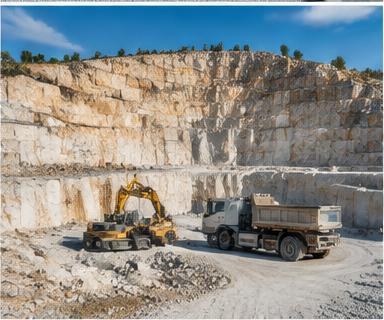 Industrial materials