
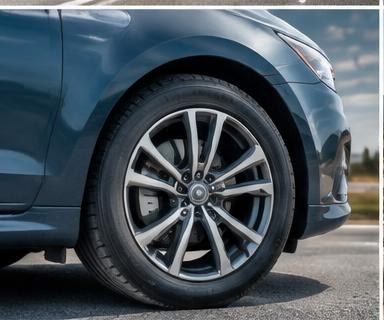
Matching Tyres to Daily Driving Patterns
Daily city driving differs from frequent highway trips between emirates in terms of tyre stress. Repeated urban driving with frequent stops affects sidewalls and tread differently than sustained higher-speed driving, so identifying the dominant usage pattern before purchasing is useful.
Heat Effects on Passenger Tyres
High summer asphalt temperatures increase the evaporation rate of certain compounds within the rubber mixture, which can accelerate the appearance of small surface cracks over time without proper care. Regularly checking tyres during summer months helps spot early damage signs before they worsen.
Proper Pressure for Comfort and Safety
Incorrect pressure in passenger car tyres affects vehicle stability during manoeuvres and overall fuel consumption. Low pressure increases rolling resistance and raises fuel use, while overly high pressure reduces road contact area and negatively affects stability, making periodic calibration an important step not to be overlooked.
Appropriate Timing for Replacement
Some drivers delay tyre replacement until wear reaches an obvious minimum, but regularly monitoring tread depth allows planning replacement at a suitable time rather than waiting until the last moment. Attention to a tyre's age, not just visible wear level, also matters, since some internal degradation may not be clearly visible on the surface.
Practical checklist
- Identify your dominant driving pattern before choosing
- Inspect tyres regularly during summer months
- Check pressure periodically to improve stability and fuel use
- Watch tyre age, not just tread depth, over time
 Tyres
 Tyres
 Tyres