
Internal Construction Differences
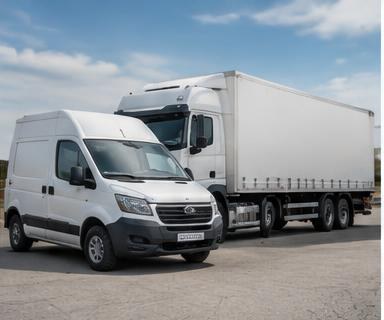
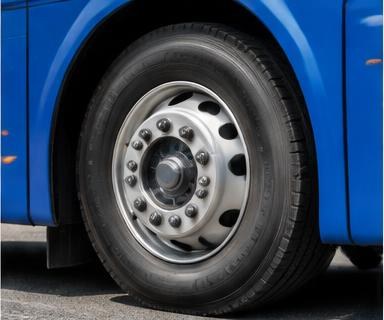
Heavy truck tyres are built to carry large axle loads and typically include multiple steel or fibre reinforcement plies for sustained stress. Light commercial vehicle tyres, used on vans and delivery pick-ups, are designed for lighter loads and greater everyday driving flexibility within cities, balancing stiffness and comfort differently.
Different Usage Patterns
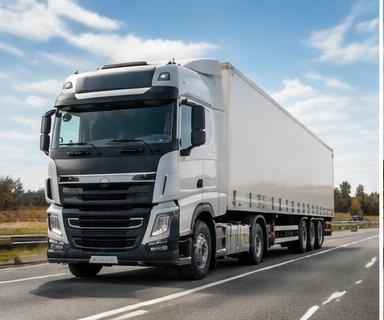
Heavy trucks often run for long hours on highways or within industrial sites at relatively constant loads, while light commercial vehicles make frequent stops with varying loads along multi-point routes. This usage difference is reflected in tread design, heat distribution, and resistance to uneven wear.
Different Maintenance Requirements
Because of load and speed differences, truck tyres require more frequent tread depth and pressure checks, since even minor deviations affect safety when carrying heavy loads. Light commercial vehicle tyres also need regular inspection but are comparatively less sensitive to small pressure variations than fully loaded heavy trucks.
Considerations for Mixed Fleets
Companies operating a mixed fleet of trucks and light commercial vehicles need separate maintenance policies for each category rather than applying one standard to all tyres. Setting different inspection schedules and service-life expectations per type helps avoid replacing tyres too early or too late without real justification.
Practical checklist
- Distinguish fleet categories when setting tyre policy
- Account for axle-load differences between categories
- Set separate inspection schedules per vehicle type
- Avoid applying one maintenance standard to a mixed fleet
 Tyres
 Tyres
 Tyres