
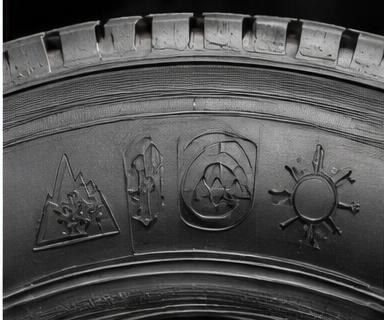
Reading Width and Aspect Ratio
The first number in a marking indicates tyre width in millimetres, followed by the aspect ratio as a percentage of that width. In a marking starting 295/80, for instance, 295 is the tyre width in millimetres while 80 means the sidewall height equals 80 percent of that width, which determines the tyre's overall profile.
Construction Type and Rim Diameter
This is followed by a letter indicating construction type, commonly R for the radial construction common in modern truck tyres. After the letter comes a number representing rim diameter in inches, which must exactly match the vehicle's wheel diameter to ensure proper fitting and avoid stability or balance issues.
Load Index and Speed Symbol
The marking sequence ends with a load index number indicating the maximum weight the tyre can bear when used correctly, followed by a speed symbol letter specifying the maximum safe speed for sustained operation. Both figures are essential to confirm the chosen tyre suits the vehicle's operating profile without exceeding recommended safe limits.
Importance of Accuracy When Replacing
When replacing tyres, it is important to match every element of the marking, not just width or apparent diameter, since changing aspect ratio or load index without understanding the effect can alter speedometer accuracy or load distribution. Referring back to the vehicle's originally recommended marking remains the safest basis for any replacement.
Practical checklist
- Verify tyre width matches rim diameter
- Understand load index meaning before replacement
- Check the speed symbol suits the operating type
- Do not change aspect ratio without technical advice
 Tyres
 Tyres
 Tyres